


Hey there! I'm a supplier of corrugated pipe production lines, and today I want to chat with you about how to manage the inventory of raw materials for a corrugated pipe production line. It's a crucial aspect that can make or break your production efficiency and bottom line, so let's dive right in.
Understanding Your Raw Materials
First things first, you need to have a clear understanding of the raw materials used in corrugated pipe production. Typically, materials like high - density polyethylene (HDPE), polyvinyl chloride (PVC), and sometimes polypropylene (PP) are the go - to choices. Each material has its own properties, costs, and availability.
HDPE is super popular for corrugated pipes because of its high strength, chemical resistance, and flexibility. PVC, on the other hand, is known for its affordability and good fire - retardant properties. PP offers a balance between cost and performance. Knowing which material your production line is optimized for and the specific requirements of your target market will help you make better inventory decisions.
Analyzing Production Requirements
The next step is to analyze your production requirements. You need to figure out how much raw material you'll need over a certain period. Look at your historical production data. How many pipes did you produce last month, last quarter, or last year? What was the average consumption of raw materials per pipe?
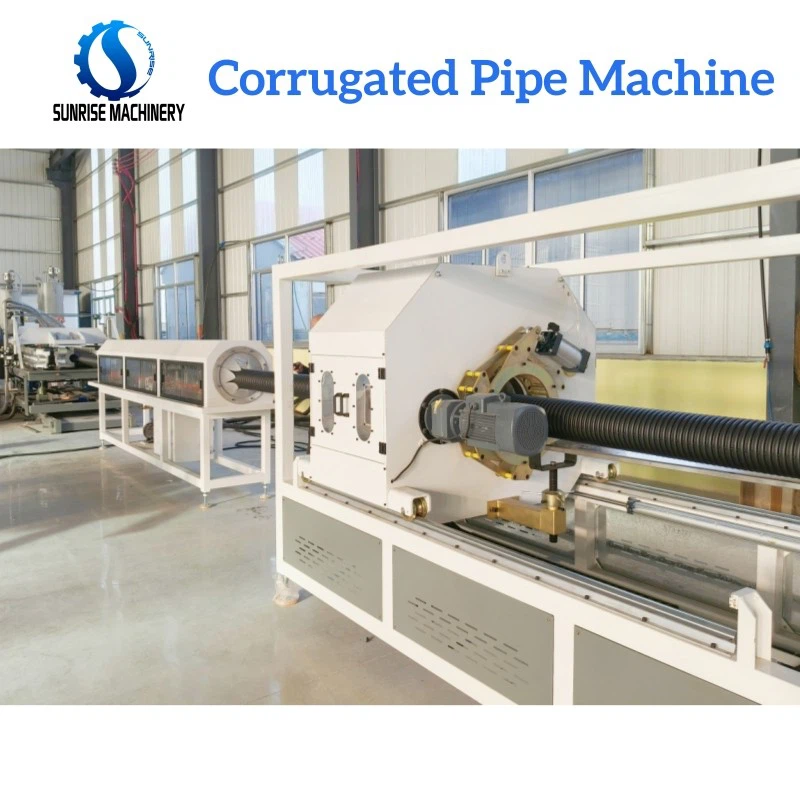
Let's say you have a Single Wall Corrugated Pipe Production Line. If it usually produces 1000 single - wall corrugated pipes a week, and each pipe requires 2 kilograms of HDPE, then you'll need 2000 kilograms of HDPE per week just for this line. Do this analysis for all your production lines, whether it's a HDPE Double Wall Corrugated Pipe Production Line or a 52 100 - 300mm HDPE Double Wall Corrugated DWC Pipe Extrusion Machine.
Setting Inventory Levels
Once you know your production requirements, it's time to set inventory levels. There are three main levels you should consider: minimum inventory, maximum inventory, and reorder point.
The minimum inventory is the lowest amount of raw material you can have on hand without stopping production. This acts as a safety net in case of unexpected delays in raw material delivery. For example, if it usually takes 2 days for your HDPE supplier to deliver new stock and your production consumes 500 kilograms per day, your minimum inventory for HDPE should be at least 1000 kilograms.
The maximum inventory is the upper limit of how much raw material you want to store. Storing too much raw material can tie up a lot of your capital and increase storage costs. You need to find a balance based on factors like storage space, material shelf life, and market price fluctuations.
The reorder point is the level at which you should place a new order for raw materials. It's calculated based on your lead time (the time it takes from placing an order to receiving the goods) and your average daily consumption. For instance, if your lead time for PVC is 5 days and you use 300 kilograms of PVC per day, your reorder point for PVC is 1500 kilograms.
Supplier Management
Having a good relationship with your suppliers is key to effective inventory management. Look for reliable suppliers who can provide high - quality raw materials on time. Negotiate favorable terms with them, like discounts for bulk orders, flexible delivery schedules, and quality guarantees.
It's also a good idea to have multiple suppliers for each type of raw material. This way, if one supplier has a problem, like a production outage or a shipping delay, you can still get your raw materials from another source. You don't want to be in a situation where your production line comes to a halt because of a single supplier issue.

Monitoring and Adjusting
Inventory management is not a one - time thing. You need to constantly monitor your inventory levels and adjust your strategies as needed. Use inventory management software to keep track of your stock levels, incoming and outgoing materials, and production schedules.
If you notice that your production is increasing, you may need to raise your reorder point and maximum inventory levels. Conversely, if production is slowing down, you can reduce your inventory to free up capital. Also, keep an eye on market trends. If the price of a certain raw material is expected to rise, you might want to increase your inventory a bit, but be careful not to overdo it.
Just - in - Time (JIT) Inventory System
Some companies use a Just - in - Time inventory system for their raw materials. With JIT, you order raw materials just in time for them to be used in production. This can significantly reduce your inventory holding costs, but it requires a very reliable supply chain.
If you're considering implementing a JIT system, make sure your suppliers are on board. They need to be able to deliver small quantities of raw materials quickly and consistently. You also need to have a good forecasting system in place to accurately predict your production needs.
Waste Management
Don't forget about waste management when it comes to raw material inventory. In corrugated pipe production, there's bound to be some waste, like scraps from cutting or defective pipes. Try to minimize waste by optimizing your production processes.
You can also recycle some of the waste materials. For example, HDPE waste can often be recycled and reused in the production of lower - grade pipes or other plastic products. This not only reduces your raw material costs but also makes your production more environmentally friendly.
Conclusion
Managing the inventory of raw materials for a corrugated pipe production line is a complex but essential task. By understanding your raw materials, analyzing production requirements, setting appropriate inventory levels, managing suppliers, monitoring and adjusting your strategies, and considering waste management, you can ensure a smooth and cost - effective production process.
If you're in the market for a corrugated pipe production line or need more advice on raw material inventory management, feel free to reach out. We're here to help you make the most of your production operations.
References
- Principles of Inventory Management, various industry publications
- Corrugated Pipe Production Best Practices, industry whitepapers


