


When it comes to operating a PET bottle washing line, understanding the associated labor costs is crucial for both cost - effectiveness and overall business planning. As a PET bottle washing line supplier, I've had extensive experience in this field and can provide in - depth insights into what these labor costs entail.
1. Labor Requirements in Different Stages of a PET Bottle Washing Line
Pre - sorting and Loading
The first step in the PET bottle washing process is pre - sorting and loading. Workers are needed to separate PET bottles from other types of waste and ensure that only clean and suitable bottles enter the washing line. This requires a certain level of manual dexterity and knowledge about plastics. Workers need to identify different colors, sizes, and possible contaminants in the bottles. For a medium - sized PET bottle washing line, typically 2 - 3 workers are required at this stage. Their main tasks include picking out non - PET materials such as glass, metal, and other plastics that may have mixed with the PET bottles, as well as loading the sorted bottles onto the conveyor belt that feeds into the washing line.
Washing and Cleaning
The core of the PET bottle washing line is the washing and cleaning stage. Here, the bottles go through a series of washing steps, including hot water washing, chemical cleaning, and rinsing. Although modern washing lines are highly automated, there are still labor requirements. Workers are responsible for monitoring the washing equipment, ensuring that the water temperature, chemical concentrations, and flow rates are within the appropriate ranges. They also need to check for any blockages or malfunctions in the pipes and nozzles. Usually, 1 - 2 workers are assigned to this stage, depending on the complexity and scale of the washing line.
Shredding and Granulating
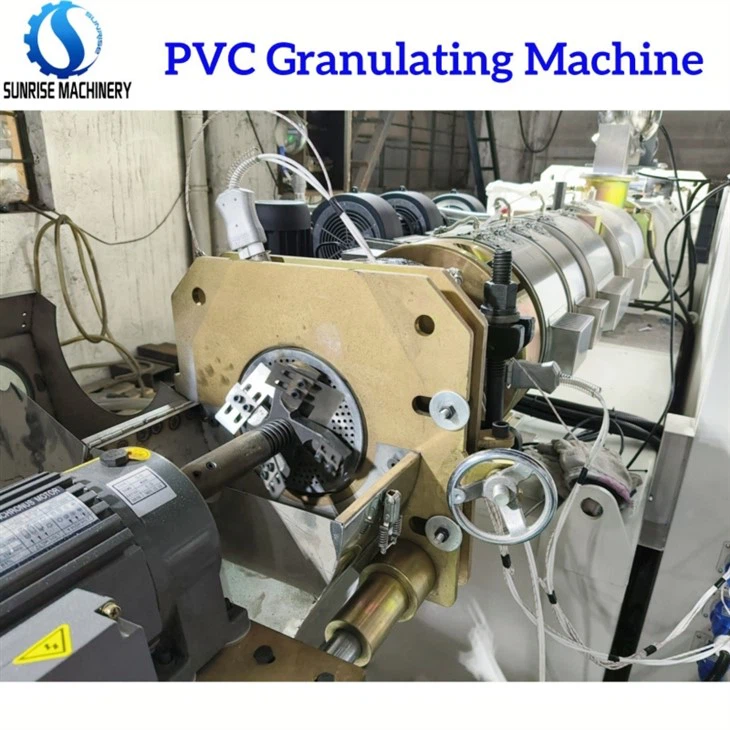
After the bottles are thoroughly cleaned, they are shredded into small pieces and then granulated. This process requires operators to oversee the shredding and granulating machines. They need to adjust the machine settings according to the size and quality requirements of the final PET granules. In addition, they are responsible for collecting the granulated PET and ensuring that the output meets the industry standards. For a typical PET bottle washing line, 1 - 2 workers are needed for this stage. If you are interested in more advanced granulating machines, you can check out our Rigid Plastic Granulating Machine, PVC Granulating Machine, and PE PP Double Rank Granulating Machine.
Quality Control and Packaging
The final stage of the PET bottle washing line is quality control and packaging. Workers need to perform strict quality checks on the granulated PET to ensure that it meets the customer's specifications in terms of color, purity, and physical properties. They also need to package the qualified granules properly, labeling them with relevant information such as batch number, production date, and quality grade. Depending on the production volume, 2 - 3 workers are usually assigned to this stage.
2. Factors Affecting Labor Costs
Labor Skills and Experience
The skills and experience of the workers have a significant impact on labor costs. Workers with specialized knowledge in PET recycling, such as understanding the chemical properties of PET and the operation of advanced washing and granulating equipment, usually demand higher wages. For example, an experienced operator who can troubleshoot complex machine problems quickly and efficiently is more valuable than a novice worker. Therefore, investing in training programs to improve the skills of the workforce can be a long - term cost - saving strategy.
Automation Level of the Washing Line
The level of automation of the PET bottle washing line is another important factor. Highly automated lines reduce the need for manual labor, thus lowering labor costs. However, the initial investment in automated equipment is relatively high. On the other hand, semi - automated or manual lines require more labor, but they are more affordable in terms of upfront costs. When choosing a PET bottle washing line, businesses need to balance the long - term labor savings against the initial investment in automation.
Production Volume
The production volume of the PET bottle washing line also affects labor costs. Higher production volumes may require more workers to keep up with the demand. However, as the production volume increases, there may be economies of scale in labor utilization. For example, a larger production volume may allow for more efficient use of workers' time, as they can perform tasks in a more continuous and coordinated manner.
3. Calculating Labor Costs
To calculate the labor costs associated with operating a PET bottle washing line, we need to consider several factors. First, we need to determine the number of workers required at each stage of the production process, as discussed above. Then, we need to know the hourly wage rate of each worker. The total labor cost per day can be calculated by multiplying the number of workers by their hourly wage rate and the number of working hours per day.
For example, let's assume that a medium - sized PET bottle washing line has the following labor requirements: 3 workers for pre - sorting and loading, 1 worker for washing and cleaning, 1 worker for shredding and granulating, and 2 workers for quality control and packaging. If the average hourly wage rate is $15 and the working hours per day are 8 hours, the total labor cost per day can be calculated as follows:
(3 + 1+1 + 2)×$15×8 = $8×$15×8 = $960
It should be noted that this is a simplified calculation, and in reality, there may be additional costs such as overtime pay, employee benefits, and training costs.
4. Strategies to Reduce Labor Costs
Improve Automation
One of the most effective ways to reduce labor costs is to improve the automation level of the PET bottle washing line. By investing in more advanced sensors, control systems, and robotic equipment, businesses can reduce the number of manual workers required at each stage of the production process. For example, automated sorting systems can replace manual pre - sorting, and robotic arms can be used to handle the granulated PET.
Optimize Workflow
Another strategy is to optimize the workflow of the PET bottle washing line. By re - arranging the layout of the equipment and streamlining the production process, workers can move more efficiently between different tasks. This can reduce the idle time of workers and improve overall productivity.
Cross - training Workers
Cross - training workers to perform multiple tasks can also help reduce labor costs. Instead of having specialized workers for each stage, workers can be trained to handle different tasks, such as both washing and granulating. This increases the flexibility of the workforce and allows for more efficient use of labor resources.

5. Conclusion
Operating a PET bottle washing line involves various labor costs, which are affected by factors such as labor skills, automation level, and production volume. By understanding these factors and implementing appropriate cost - reduction strategies, businesses can improve their cost - effectiveness and competitiveness in the PET recycling market.
If you are interested in our PET bottle washing lines or have any questions about labor costs and production processes, please feel free to contact us for a detailed discussion. We are committed to providing you with the most suitable solutions for your PET recycling needs.
References
- "Plastic Recycling Technology Handbook" by John Doe
- "Advanced PET Recycling Processes" by Jane Smith
- Industry reports on PET bottle recycling from relevant research institutions


