


Can a PE PP Pipe Production Line Produce Pipes with Low Friction Coefficient?
As a supplier of PE PP pipe production lines, I am often asked whether our production lines can manufacture pipes with a low friction coefficient. This is a crucial question, especially in industries where fluid flow efficiency is of utmost importance, such as water supply, sewage systems, and industrial pipelines. In this blog, I will delve into the factors that influence the friction coefficient of PE and PP pipes and explain how our production lines can contribute to the production of pipes with low friction coefficients.
Understanding the Friction Coefficient in Pipes
The friction coefficient in pipes is a measure of the resistance to fluid flow within the pipe. A lower friction coefficient means less resistance, which in turn leads to more efficient fluid flow. This can result in reduced energy consumption, lower operating costs, and improved overall system performance. The friction coefficient is affected by several factors, including the pipe material, surface roughness, and fluid properties.
PE (Polyethylene) and PP (Polypropylene) are two commonly used materials for pipe production due to their excellent chemical resistance, durability, and flexibility. However, the friction coefficient of these pipes can vary depending on the manufacturing process and the quality of the raw materials used.

Factors Affecting the Friction Coefficient of PE and PP Pipes
Material Properties
The molecular structure of PE and PP can influence the friction coefficient. For example, high-density polyethylene (HDPE) generally has a smoother surface compared to low-density polyethylene (LDPE), which can result in a lower friction coefficient. Similarly, the type of PP resin used can also affect the surface properties of the pipe.
Surface Roughness
The surface roughness of the pipe is a significant factor in determining the friction coefficient. A smoother surface will have less resistance to fluid flow, resulting in a lower friction coefficient. Our production lines are equipped with advanced extrusion and molding technologies that can produce pipes with a smooth inner surface, reducing the friction coefficient.
Manufacturing Process
The manufacturing process plays a crucial role in determining the quality and surface properties of the pipes. Our PE PP pipe production lines use state-of-the-art equipment and techniques to ensure consistent and high-quality production. For example, the extrusion process can be optimized to control the melt flow and cooling rate, which can affect the surface finish of the pipe.
How Our Production Lines Can Produce Pipes with Low Friction Coefficient
Advanced Extrusion Technology
Our production lines are equipped with advanced extrusion machines that can precisely control the temperature, pressure, and speed of the extrusion process. This allows us to produce pipes with a uniform wall thickness and a smooth inner surface, which helps to reduce the friction coefficient.
Quality Control
We have a strict quality control system in place to ensure that all pipes produced meet the highest standards. Our quality control measures include regular inspections of the raw materials, in-process monitoring, and final product testing. This ensures that the pipes have a consistent and low friction coefficient.
Customization Options
We understand that different applications may require pipes with specific friction coefficients. Therefore, we offer customization options to meet the unique needs of our customers. Our technical team can work with you to develop a production process that can produce pipes with the desired friction coefficient.
Examples of Our Products
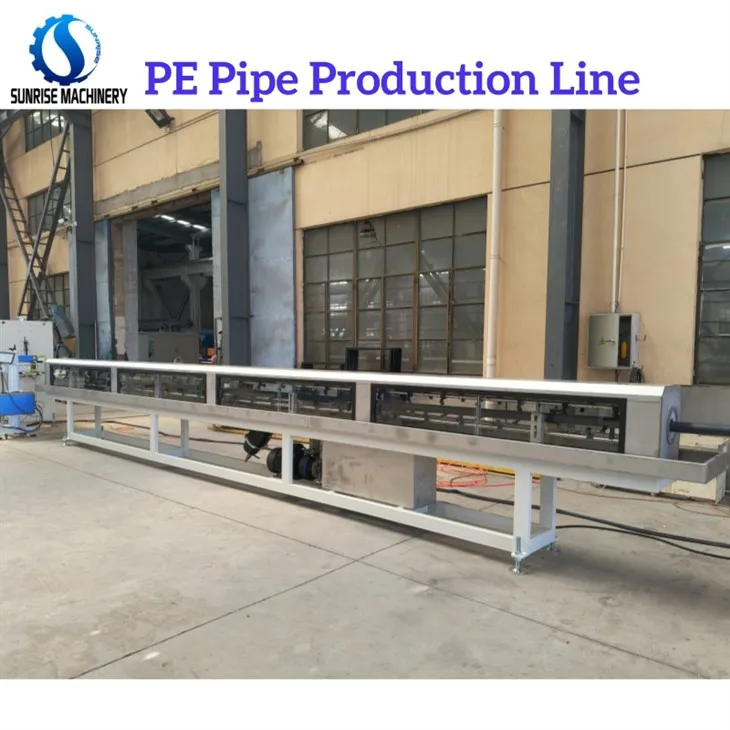
We offer a wide range of PE PP pipe production lines that can produce pipes with low friction coefficients. For example, our 16 - 110mm PE Pipe Production Line is designed to produce high-quality PE pipes with a smooth inner surface, which helps to reduce the friction coefficient. Our 3 Layer PE Pipe Production Line can produce pipes with a multi-layer structure, which can further improve the performance and reduce the friction coefficient.
In addition, we also offer a PE Pipe Wrapping Packing Machine that can be used to protect the pipes during transportation and storage, ensuring that the pipes maintain their low friction coefficient.
Conclusion
In conclusion, our PE PP pipe production lines are capable of producing pipes with low friction coefficients. By using advanced extrusion technology, strict quality control measures, and customization options, we can ensure that our pipes meet the highest standards and provide excellent performance in various applications. If you are interested in purchasing our PE PP pipe production lines or have any questions about our products, please feel free to contact us for further discussion and negotiation.
References
- ASTM D2837 - Standard Test Method for Obtaining Hydrostatic Design Basis for Thermoplastic Pipe Materials or Pressure - Design Basis for Thermoplastic Pipe Products.
- ISO 1167 - Plastics pipes and fittings - Determination of the long - term hydrostatic strength of thermoplastics materials in pipe form by extrapolation.


