


As a supplier of other pipe production lines, I've been frequently asked whether these lines can support continuous production. This question is not only crucial for manufacturers aiming to boost productivity but also significant for those looking to optimize their operations and cut costs. In this blog, I'll delve into the feasibility of continuous production using other pipe production lines, considering various factors and sharing insights based on my industry experience.
Understanding Other Pipe Production Lines
Before we discuss continuous production, it's essential to understand what other pipe production lines entail. These lines are designed to manufacture a wide range of pipes, including PVC Garden Hose Production Line and PEX - Al - PEX Composite Pipe Production Line. Each type of production line has its unique features, capabilities, and requirements.
PVC garden hose production lines are typically used to produce flexible hoses for gardening and other outdoor applications. These lines involve processes such as extrusion, cooling, and coiling. On the other hand, PEX - Al - PEX composite pipe production lines are for manufacturing pipes used in plumbing and heating systems. They combine multiple layers of materials, including cross - linked polyethylene (PEX), aluminum, and another layer of PEX, through complex processes like extrusion, lamination, and welding.
Factors Affecting Continuous Production
1. Equipment Design and Capability
The design and capability of the production line equipment play a vital role in continuous production. Modern other pipe production lines are often engineered with advanced features to support continuous operation. For example, extrusion machines with high - torque motors and precise temperature control systems can maintain a stable output of molten plastic, ensuring a continuous flow during the pipe - making process.
However, some older or lower - end production lines may have limitations. They might require frequent maintenance or adjustments, which can disrupt the continuous production process. For instance, if the extrusion die needs regular cleaning or replacement due to clogging, it will interrupt the flow of production.
2. Material Supply
Continuous production demands a consistent supply of raw materials. In the case of PVC garden hose production, a steady stream of PVC resin, additives, and pigments is necessary. Any interruption in the material supply, such as a shortage of PVC resin due to supplier issues or transportation delays, can halt the production line.
Similarly, for PEX - Al - PEX composite pipe production, multiple materials like PEX, aluminum foil, and adhesives need to be available in a timely manner. A well - organized material management system, including proper inventory control and reliable suppliers, is essential to ensure continuous production.
3. Process Stability
Maintaining process stability is crucial for continuous production. Temperature, pressure, and speed are key parameters in pipe production. Fluctuations in these parameters can lead to product defects, such as inconsistent wall thickness or poor bonding between layers in composite pipes.
For example, in the extrusion process, if the temperature is too high, the plastic may degrade, resulting in weak pipes. On the other hand, if the pressure is too low, the pipe may not have the required shape or strength. Advanced control systems are needed to monitor and adjust these parameters in real - time to maintain a stable production process.
4. Quality Control
Continuous production does not mean sacrificing quality. In fact, it requires a more rigorous quality control system. During continuous production, it's difficult to stop the line for individual product inspections. Therefore, in - line quality control measures are necessary.
For PVC garden hoses, this may include online thickness measurement, leakage detection, and visual inspection systems. For PEX - Al - PEX composite pipes, non - destructive testing methods, such as ultrasonic testing for layer bonding, can be used. Any quality issues detected during production should be addressed immediately to avoid producing large quantities of defective products.

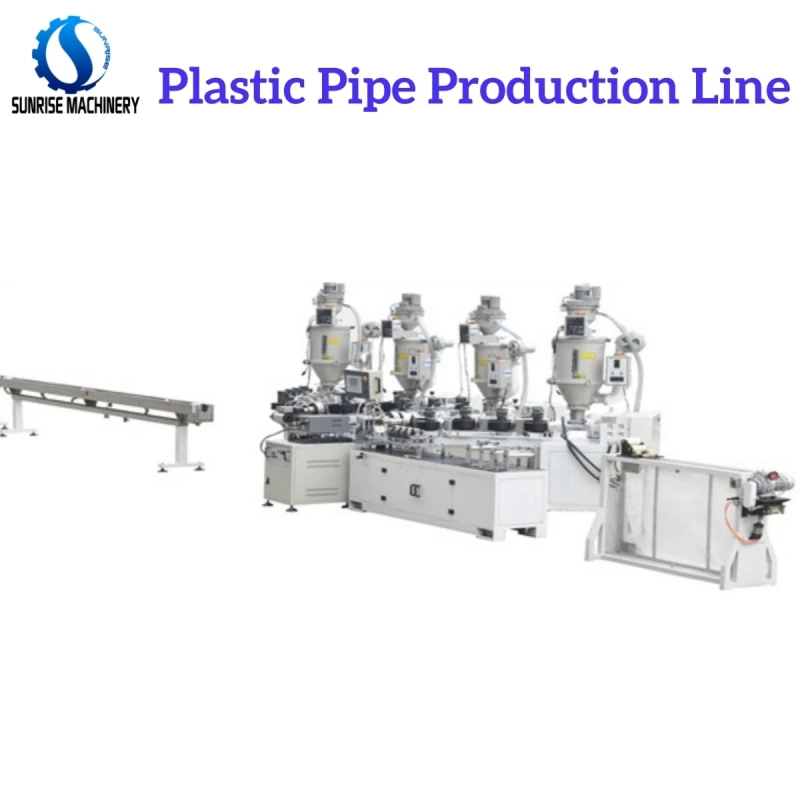
Feasibility of Continuous Production
1. Advantages of Continuous Production
Continuous production offers several advantages. Firstly, it significantly increases productivity. By eliminating the need for frequent start - stop cycles, the production line can produce more pipes in a given time frame. This leads to higher output and potentially lower unit costs.
Secondly, continuous production can improve product quality. With a stable production process, the pipes are more likely to have consistent dimensions and properties. This is especially important for applications where high - quality pipes are required, such as in plumbing and heating systems.
2. Challenges and Solutions
Despite the advantages, there are challenges to continuous production. As mentioned earlier, equipment maintenance, material supply, process stability, and quality control are all potential obstacles.
To address equipment maintenance issues, a preventive maintenance plan can be implemented. Regular inspections, lubrication, and replacement of worn - out parts can reduce the likelihood of unexpected breakdowns. For material supply, establishing long - term contracts with reliable suppliers and maintaining a sufficient inventory can minimize the risk of shortages.
Process stability can be enhanced by using advanced control systems. These systems can automatically adjust parameters based on real - time data, ensuring a consistent production process. Regarding quality control, investing in in - line inspection equipment and training operators to handle quality issues promptly can help maintain high - quality standards during continuous production.
Case Studies
1. PVC Garden Hose Production
A customer of ours who operates a PVC garden hose production line implemented continuous production. By upgrading their extrusion equipment to a more advanced model with better temperature control and a higher output capacity, they were able to run the line continuously for 20 hours a day, five days a week.
They also established a close relationship with their PVC resin supplier and improved their inventory management system. With in - line quality control measures, such as thickness gauges and leakage testers, they were able to maintain high - quality standards. As a result, their production volume increased by 30% within a year, and their unit cost decreased by 15%.
2. PEX - Al - PEX Composite Pipe Production
Another customer using a PEX - Al - PEX composite pipe production line faced challenges in achieving continuous production due to process instability and quality control issues. After installing a state - of - the - art control system to monitor and adjust temperature, pressure, and speed, they were able to stabilize the production process.
They also implemented an in - line ultrasonic testing system for layer bonding inspection. By addressing these issues, they were able to run the production line continuously for 18 hours a day, six days a week. Their product quality improved significantly, and they were able to meet the increasing demand from their customers.
Conclusion
In conclusion, an other pipe production line can be used for continuous production, but it requires careful consideration of various factors. Equipment design, material supply, process stability, and quality control are all critical elements that need to be optimized.
With the right equipment upgrades, proper material management, advanced control systems, and a rigorous quality control system, continuous production can bring significant benefits, including increased productivity, improved product quality, and lower costs.
If you're interested in exploring continuous production with our other pipe production lines, I encourage you to contact us for a detailed discussion. Our team of experts can provide customized solutions based on your specific requirements and help you achieve efficient and continuous pipe production.
References
- "Plastic Pipe Extrusion Technology" by John Doe, published by PipeTech Press
- "Continuous Manufacturing in the Plastics Industry" by Jane Smith, Journal of Plastic Manufacturing, Vol. 15, Issue 3.


