


Plastic pollution has become one of the most pressing environmental issues of our time. Among the various types of plastic waste, plastic films pose a unique challenge due to their lightweight, flexible nature, and large surface area. As a leading supplier of plastic recycling machines, we often receive inquiries about whether our machines can effectively recycle plastic films. In this blog post, we will explore the feasibility of recycling plastic films using our plastic recycling machines and discuss the associated processes and considerations.
Understanding Plastic Films
Plastic films are thin, flexible sheets made from various types of plastics, including polyethylene (PE), polypropylene (PP), and polyethylene terephthalate (PET). They are widely used in packaging, agriculture, construction, and other industries due to their low cost, durability, and versatility. However, their widespread use has also led to a significant increase in plastic film waste, which often ends up in landfills, oceans, and other natural environments, causing environmental pollution and harm to wildlife.
Challenges in Recycling Plastic Films
Recycling plastic films presents several challenges compared to other types of plastic waste. Firstly, plastic films are often contaminated with dirt, food residues, and other impurities, which can affect the quality of the recycled material. Secondly, their lightweight and flexible nature makes them difficult to handle and process using traditional recycling equipment. Thirdly, plastic films come in a variety of thicknesses, colors, and compositions, which require different recycling processes and techniques.
Our Plastic Recycling Machines and Their Capabilities
At our company, we offer a range of plastic recycling machines that are designed to handle different types of plastic waste, including plastic films. Our machines are equipped with advanced technologies and features that enable them to effectively clean, shred, melt, and extrude plastic films into high-quality recycled pellets.
One of our popular machines is the 2000KG 3000KG Plastic PET Bottle Recycling Washing Machine. This machine is specifically designed to wash and clean plastic bottles and films, removing dirt, labels, and other impurities. It uses a combination of water, chemicals, and mechanical agitation to ensure thorough cleaning and high-quality recycling.
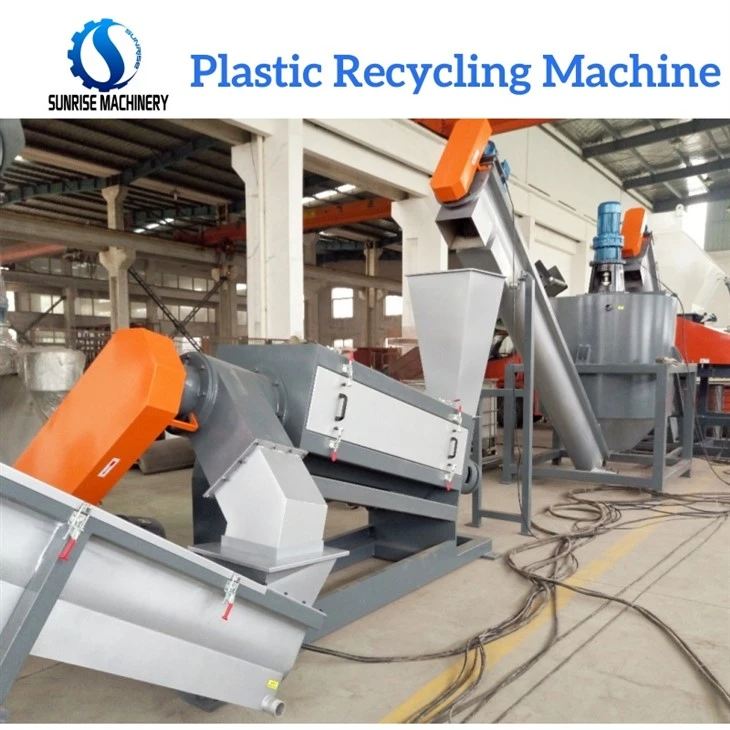

Another machine that can be used for recycling plastic films is the PET Bottle Washing Line. This line consists of multiple stages, including pre-washing, shredding, washing, and drying, which are designed to process large volumes of plastic bottles and films efficiently. The line is equipped with advanced sensors and controls that ensure consistent quality and performance.
In addition, we also offer the Plastic Squeezer Machine, which is used to remove excess water from plastic films after washing. This machine uses a high-pressure squeezing mechanism to reduce the moisture content of the plastic films, making them easier to process and recycle.
The Recycling Process for Plastic Films
The recycling process for plastic films typically involves several steps, including collection, sorting, cleaning, shredding, melting, and extrusion. Here is a detailed overview of each step:
- Collection: Plastic films are collected from various sources, such as households, businesses, and industrial facilities. They are usually sorted into different types and grades based on their composition and quality.
- Sorting: The collected plastic films are sorted further to remove any non-plastic materials, such as paper, cardboard, and metal. This is done using a combination of manual sorting and automated sorting equipment, such as optical sorters and near-infrared (NIR) sensors.
- Cleaning: The sorted plastic films are then cleaned to remove dirt, food residues, and other impurities. This is typically done using a washing machine or a washing line, which uses a combination of water, chemicals, and mechanical agitation to ensure thorough cleaning.
- Shredding: The cleaned plastic films are shredded into small pieces using a shredder. This makes them easier to handle and process in the subsequent steps.
- Melting: The shredded plastic films are melted in a plastic extruder or a plastic granulator. This is done at a high temperature to convert the plastic films into a molten state.
- Extrusion: The molten plastic is then extruded through a die to form recycled pellets. These pellets can be used to manufacture new plastic products, such as plastic bags, plastic containers, and plastic pipes.
Considerations for Recycling Plastic Films
While our plastic recycling machines are capable of recycling plastic films, there are several considerations that need to be taken into account to ensure successful recycling. Firstly, the quality of the plastic films is crucial. Plastic films that are heavily contaminated or have a low melting point may not be suitable for recycling. Secondly, the recycling process needs to be carefully controlled to ensure consistent quality and performance. This includes monitoring the temperature, pressure, and speed of the recycling equipment. Thirdly, the recycled plastic pellets need to meet the quality standards and specifications of the end-users. This may require additional processing and testing to ensure that the recycled plastic pellets are suitable for use in the manufacturing of new plastic products.
Conclusion
In conclusion, our plastic recycling machines are capable of recycling plastic films effectively. However, successful recycling requires careful consideration of the quality of the plastic films, the recycling process, and the quality standards of the end-users. As a leading supplier of plastic recycling machines, we are committed to providing our customers with high-quality equipment and technical support to help them recycle plastic films and other types of plastic waste in an environmentally friendly and cost-effective manner.
If you are interested in purchasing our plastic recycling machines or have any questions about recycling plastic films, please feel free to contact us. We look forward to discussing your needs and helping you find the best solution for your plastic recycling requirements.
References
- American Chemistry Council. (2023). Plastic Recycling: An Overview.
- European Plastic Converters. (2023). Recycling of Plastic Films.
- United Nations Environment Programme. (2023). Global Plastics Outlook: Challenges, Opportunities and Solutions.


