


In the realm of plastic recycling and processing, the PVC Pipe Profile Crusher stands as a crucial piece of equipment. At the heart of this machine lies a component that plays an indispensable role: the blade. As a leading supplier of PVC Pipe Profile Crushers, I am well - versed in the significance of the blade and its impact on the overall performance of the crusher.
The Cutting Mechanism and the Blade's Function
The primary function of the blade in a PVC Pipe Profile Crusher is to cut and shred PVC pipe profiles into smaller pieces. PVC pipes are often rigid and have a certain degree of toughness. The blade needs to be sharp and durable enough to penetrate the PVC material effectively. When the PVC pipe profiles are fed into the crusher, the rotating blade makes contact with the pipes. The sharp edge of the blade exerts a shearing force on the PVC, breaking it into smaller fragments.
The cutting action is not just about reducing the size of the PVC pipes; it also affects the quality of the shredded material. A well - designed blade can produce uniform and fine - grained shredded particles. This is important because in the subsequent recycling or reprocessing steps, uniform particles are easier to handle and process. For example, when the shredded PVC is melted for further manufacturing, uniform particles ensure a more consistent melting process, which in turn leads to better - quality end products.
Blade Design and Its Impact on Performance
The design of the blade is a critical factor in determining the efficiency of the PVC Pipe Profile Crusher. There are different types of blade designs available, each with its own advantages.
Straight Blades
Straight blades are one of the most common blade designs. They are simple in structure and easy to manufacture. Straight blades are suitable for cutting PVC pipes with relatively regular shapes and sizes. They provide a clean and straightforward cutting action, which is effective for breaking down the pipes into manageable pieces. However, they may not be as efficient when dealing with complex - shaped PVC profiles or when a high - level of fineness in the shredded material is required.
Serrated Blades
Serrated blades have a series of small teeth along the cutting edge. These teeth increase the cutting surface area and provide a more aggressive cutting action. Serrated blades are particularly useful for cutting tough PVC materials or for achieving a finer shredding result. The serrations help to grip the PVC material better, reducing the likelihood of the material slipping during the cutting process. This type of blade is often used when processing PVC pipes with a high degree of hardness or when a more precise and fine - grained shredding is needed.
Multi - Edge Blades
Multi - edge blades have multiple cutting edges, which can increase the cutting efficiency. These blades can perform multiple cuts simultaneously, reducing the time required to shred the PVC pipes. They are suitable for high - volume processing, where a large number of PVC pipes need to be shredded quickly. However, multi - edge blades require more precise manufacturing and maintenance to ensure that all the cutting edges are in good condition.
Blade Material and Durability
The material of the blade is another important aspect that affects its performance and lifespan. In a PVC Pipe Profile Crusher, the blade is constantly in contact with the PVC material, which can cause wear and tear. Therefore, choosing the right blade material is crucial.
High - Carbon Steel
High - carbon steel is a commonly used material for blades in PVC Pipe Profile Crushers. It has high hardness and good wear resistance. High - carbon steel blades can maintain their sharpness for a relatively long time, even when cutting tough PVC materials. However, they are also more brittle compared to some other materials, and they may be prone to chipping or breaking under high - stress conditions.
Tool Steel
Tool steel is another popular choice for blade manufacturing. It offers a good balance between hardness and toughness. Tool steel blades can withstand high - impact forces during the cutting process and are less likely to break. They also have excellent wear resistance, which means they can last longer and require less frequent replacement.
Tungsten Carbide
Tungsten carbide is a very hard and wear - resistant material. Blades made of tungsten carbide can provide extremely long service life, even when cutting abrasive PVC materials. However, tungsten carbide blades are more expensive to manufacture, which may increase the overall cost of the crusher.
Maintenance of Blades in PVC Pipe Profile Crushers
Proper maintenance of the blades is essential to ensure the optimal performance of the PVC Pipe Profile Crusher. Regular inspection and sharpening of the blades can extend their lifespan and improve the cutting efficiency.
Inspection
Regularly inspecting the blades for signs of wear, damage, or dullness is crucial. Any chips, cracks, or excessive wear on the blade can affect its cutting performance. If a blade is found to be damaged, it should be replaced immediately to prevent further damage to the crusher and to ensure the quality of the shredded material.
Sharpening
Sharpening the blades at regular intervals is necessary to maintain their sharpness. The frequency of sharpening depends on the usage of the crusher and the type of PVC materials being processed. A sharp blade will cut more efficiently, reducing the energy consumption of the crusher and improving the quality of the shredded material.
Cleaning
Keeping the blades clean is also important. After each use, the blades should be cleaned to remove any PVC residues or debris. This helps to prevent the build - up of material on the blade, which can affect its cutting performance and lead to premature wear.
The Role of Blades in the Overall Efficiency of the PVC Pipe Profile Crusher
The blades play a significant role in determining the overall efficiency of the PVC Pipe Profile Crusher. A well - designed and maintained blade can improve the cutting speed, reduce the energy consumption, and enhance the quality of the shredded material.
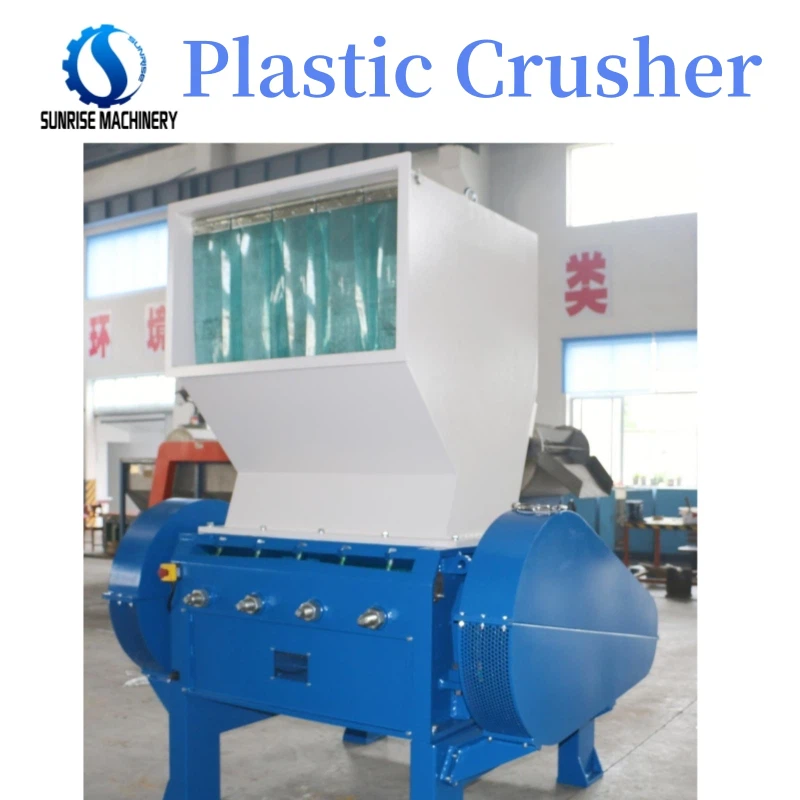

When the blades are sharp and in good condition, the crusher can process PVC pipes more quickly. This means that more PVC pipes can be shredded in a shorter period of time, increasing the productivity of the recycling or processing operation. Additionally, a sharp blade requires less energy to cut through the PVC material, which can lead to cost savings in the long run.
The quality of the shredded material is also directly affected by the blades. As mentioned earlier, a sharp blade can produce uniform and fine - grained shredded particles, which are more suitable for subsequent processing. This can improve the quality of the end products and increase their market value.
Conclusion
In conclusion, the blade is a vital component in a PVC Pipe Profile Crusher. Its design, material, and maintenance all have a significant impact on the performance of the crusher. As a supplier of PVC Pipe Profile Crushers, we understand the importance of providing high - quality blades that are suitable for different types of PVC pipe profiles.
If you are in the market for a PVC Pipe Profile Crusher or need to replace the blades in your existing crusher, we are here to help. We offer a wide range of PVC Pipe Profile Crushers with different blade designs and materials to meet your specific needs. You can learn more about our products by visiting our website: PVC Pipe Profile Crusher. We also provide other related products such as PE LDPE Pulverizer and Plastic Crusher.
If you have any questions or would like to discuss your requirements, please feel free to contact us. We look forward to the opportunity to work with you and help you achieve your plastic recycling and processing goals.
References
- "Plastic Recycling Technology" by John Smith
- "Handbook of PVC Processing" by David Brown
- "Cutting Tool Materials and Their Applications" by Robert Johnson


