


As a supplier of high-speed mixers, I understand the importance of ensuring these machines operate smoothly. One common issue that users often encounter is abnormal noise coming from the high-speed mixer. In this blog, I'll share some practical troubleshooting steps to help you address this problem.
1. Initial Checks
Before delving into more complex troubleshooting, it's essential to perform some basic checks. First, ensure that the high-speed mixer is placed on a stable surface. An unstable base can cause vibrations, which may lead to abnormal noise. If the mixer is not level, it can put uneven stress on the components, resulting in rattling or thumping sounds.
Next, inspect the mixer for any loose parts. Check the bolts, screws, and other fasteners to make sure they are tightened properly. Loose parts can vibrate and create noise during operation. For example, a loose motor mount can cause the motor to shake, producing a noticeable rattling sound.
Also, examine the mixing chamber and the blades. Look for any foreign objects that may have gotten into the mixer. Small pieces of debris, such as metal shavings or plastic fragments, can cause noise when they come into contact with the rotating blades. If you find any foreign objects, carefully remove them to eliminate the source of the noise.
2. Motor Inspection
The motor is one of the most critical components of a high-speed mixer, and issues with the motor can often be the cause of abnormal noise. Start by checking the motor's power supply. Ensure that the voltage is within the specified range for the mixer. An incorrect voltage can cause the motor to run inefficiently, leading to unusual noises.
Listen closely to the motor while it's running. A humming or whining sound may indicate a problem with the motor bearings. Worn-out bearings can cause the motor shaft to rub against the housing, creating a high-pitched noise. If you suspect bearing issues, it's advisable to have a professional technician replace the bearings.
Another possible motor-related issue is overheating. An overheated motor can produce a burning smell and abnormal noises. Check the motor's ventilation system to make sure it's not blocked. Clean any dust or debris from the cooling fins and ensure that there is adequate airflow around the motor. If the motor continues to overheat, it may be a sign of a more serious problem, and you should contact a technician for further diagnosis.
3. Belt and Pulley Examination
Many high-speed mixers use belts and pulleys to transfer power from the motor to the mixing blades. A worn or misaligned belt can cause noise during operation. Inspect the belt for signs of wear, such as cracks, fraying, or stretching. If the belt is damaged, it should be replaced immediately.
Check the alignment of the pulleys. Misaligned pulleys can cause the belt to slip or rub against the sides of the pulleys, creating a squealing or screeching noise. Use a straightedge to ensure that the pulleys are in line with each other. If the pulleys are misaligned, adjust them according to the manufacturer's instructions.
Also, make sure the belt tension is correct. A loose belt can cause it to slip, while an overly tight belt can put excessive stress on the motor and the pulleys. Refer to the mixer's manual for the proper belt tension specifications and adjust the tension as needed.
4. Gearbox Analysis
If your high-speed mixer is equipped with a gearbox, it's important to inspect it for any issues. A noisy gearbox can be a sign of worn gears, low lubrication, or misalignment. Listen for grinding, clicking, or clunking sounds coming from the gearbox.
Check the gearbox's lubrication level. Low lubrication can cause the gears to rub against each other, resulting in noise and premature wear. If the lubrication level is low, add the recommended lubricant according to the manufacturer's instructions.
Inspect the gears for signs of damage, such as chips, cracks, or excessive wear. If you notice any damage, the gears may need to be replaced. Additionally, check the gearbox's alignment to ensure that the gears are meshing properly. Misaligned gears can cause uneven wear and noise.
5. Blade and Shaft Assessment
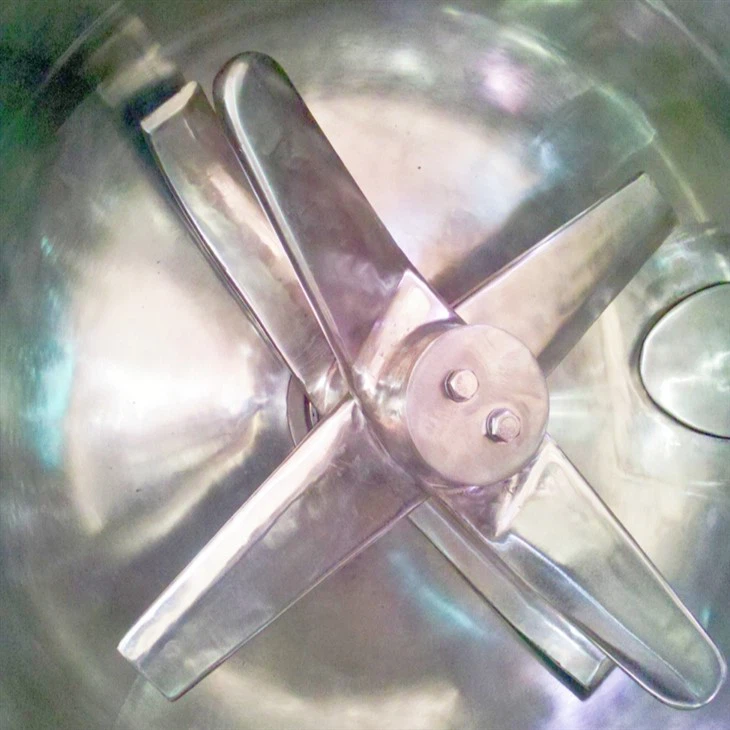
The mixing blades and the shaft are directly involved in the mixing process, and any issues with them can lead to abnormal noise. Inspect the blades for damage or wear. Bent or broken blades can cause uneven mixing and create noise as they rotate. If the blades are damaged, replace them with new ones.
Check the shaft for straightness. A bent shaft can cause the blades to wobble, resulting in a vibrating noise. You can use a dial indicator to measure the shaft's runout. If the shaft is bent, it may need to be straightened or replaced.
Also, make sure the blades are properly secured to the shaft. Loose blades can move around during operation, causing noise. Tighten the blade mounting bolts according to the manufacturer's specifications.
6. Sealing and Gasket Checks
Proper sealing is essential to prevent dust and debris from entering the mixer and to ensure efficient operation. Check the seals and gaskets around the mixing chamber, motor, and other components. Damaged or worn seals can allow air to leak, creating a hissing or whistling noise.
Inspect the seals for cracks, tears, or signs of wear. If you find any damaged seals, replace them with new ones. Make sure the seals are properly installed and tightened to ensure a good seal.
7. Additional Considerations
In some cases, the abnormal noise may be due to a problem with the control system. Check the control panel for any error messages or warning lights. If there are error messages, refer to the mixer's manual for troubleshooting instructions.
It's also a good idea to keep a maintenance log for your high-speed mixer. Record any issues, repairs, and maintenance activities. This can help you track the mixer's performance over time and identify any recurring problems.
If you've tried all the above troubleshooting steps and the abnormal noise persists, it's recommended to contact a professional technician or the manufacturer's customer support team. They have the expertise and tools to diagnose and fix more complex issues.
Conclusion
Troubleshooting a high-speed mixer with abnormal noise requires a systematic approach. By performing initial checks, inspecting the motor, belt and pulley, gearbox, blade and shaft, and seals, you can often identify and resolve the problem. Regular maintenance and proper operation of the mixer can also help prevent abnormal noise and ensure its long-term reliability.

If you're in the market for a high-speed mixer, we offer a wide range of products, including the High Speed Mixer, SRL-Z PVC Mixer Unit, and Auto Weighing Mixing Conveying System. Our mixers are designed to provide high performance and reliability. If you have any questions or would like to discuss your specific requirements, please feel free to contact us for procurement and negotiation.
References
- Manufacturer's manuals for high-speed mixers
- Industry standards and best practices for mixer maintenance and troubleshooting


